Rebuilding your financial reputation often feels like a steep uphill climb after a period of economic hardship. Many people believe that a damaged credit score will haunt them for a lifetime without any hope for improvement.
We are now seeing a major shift in how digital banking and credit bureaus evaluate your personal financial reliability. This evolution allows proactive individuals to use new tools to fix errors and demonstrate better habits much faster than before.
Modern credit recovery is no longer about just waiting for old marks to disappear from your public record. Instead, it involves a strategic approach to managing your current balances and communicating effectively with your various lenders.
By applying these smart tactics, you can unlock better interest rates and better housing options in a very short time. This article explores the essential pillars of credit repair and how you can take total control today. We will dive into the practical steps that help you breathe easier and reach your financial goals with total confidence.
The world of credit is changing rapidly and your old score does not have to define your future right now. From automated reporting apps to new credit-building products, the options for savvy borrowers are expanding every single day.
You do not need a background in finance to understand how to boost your rating effectively and permanently. This guide breaks down the complex jargon of the credit world into simple and actionable steps for everyone. We will show you how to identify the best moments to settle your old debts for maximum score impact.
You will discover why your payment history is the most powerful weapon you have in this recovery process. The goal is to build a resilient financial profile where you own your numbers instead of them owning you.
Join us as we decode the art of credit recovery and help you master your journey toward independence. Let us explore the best ways to keep your report healthy while you pursue your big dreams.
Cleaning Your Credit Report From Errors

Your credit report is the foundation of your financial life, but it often contains mistakes that lower your score. In the past, people rarely checked their reports because the process was slow and required sending physical mail to bureaus.
Now, you can access your data instantly through various apps and identify accounts that do not actually belong to you. These errors might include payments that you made on time but the bank recorded as late by mistake.
You must dispute these inaccuracies immediately to ensure your score reflects your true behavior as a responsible borrower. Removing even one small error can lead to a significant jump in your total credit points within a month.
A. Requesting a free copy of your report from all major bureaus to check for any duplicate or fraudulent accounts.
B. Filing an official dispute for any incorrect late payments that you can prove you paid on time with receipts.
C. Ensuring that your personal information, like your name and address, is completely accurate and up to date.
D. Checking that old closed accounts are not still appearing as active and negatively impacting your debt ratios.
Many people feel intimidated by the idea of fighting with a large credit bureau over a small reporting error. You solve this “fear of conflict” by realizing that bureaus must investigate your claim within thirty days by law.
Most disputes now happen through simple online portals that guide you through every step of the evidence-uploading process. Taking thirty minutes to clean your report is the fastest way to see a “win” in your credit recovery journey.
Reducing Your Credit Utilization Ratio
Your credit utilization ratio is the amount of debt you owe compared to the total credit limits on all your cards. Lenders love to see this number below thirty percent because it shows that you are not desperate for borrowed money.
If your cards are maxed out, your score will drop even if you make every single payment on time each month. You can improve this ratio by paying down your balances or by asking your bank for a higher credit limit.
As long as you do not spend the extra credit, the higher limit makes your utilization look much better to the algorithm. This is one of the fastest ways to show the system that you are managing your debt like a pro.
A. Making multiple small payments throughout the month to keep your balance low before the statement closing date arrives.
B. Spreading your spending across several cards instead of putting every single purchase on one specific credit card.
C. Keeping your old accounts open even if you do not use them to maintain a higher total credit limit.
D. Consolidating high-interest credit card debt into a personal loan to lower your revolving utilization percentage immediately.
The biggest mistake is closing an old credit card because you think it will make your report look “cleaner” or safer. You solve this “deletion trap” by keeping those old accounts alive to show a longer history of credit and a higher limit.
If you are worried about overspending, just hide the physical card in a drawer or cut it up while keeping the account active. This strategy keeps your utilization low without the risk of adding new debt to your monthly total.
Strategic Debt Settlement Negotiations
If you have old debts that have gone to collections, you can often settle them for much less than you actually owe. In many cases, collection agencies buy your debt for pennies and are happy to accept a partial payment to close the file.
You should always ask for a “pay for delete” agreement where they agree to remove the negative mark from your report in exchange for the cash. This prevents the old debt from continuing to damage your score after you have already paid the money.
Make sure you get every agreement in writing before you send a single dollar to the any collection agency. Negotiating your way out of old mistakes is a vital part of starting fresh with a clean slate.
A. Offering a lump sum payment to settle an old debt for forty to sixty percent of the original balance.
B. Communicating only through written letters to ensure you have a paper trail of every promise the agency makes.
C. Prioritizing the newest collection accounts first as they often have the biggest negative impact on your current score.
D. Verifying that the debt is actually yours before you agree to pay anything to a third-party collection company.
Many borrowers feel a sense of guilt or shame that stops them from calling collectors to negotiate a better deal. You solve this “emotional barrier” by treating the negotiation like a cold business transaction where both sides want a quick resolution.
Collectors want your money today, and you want a clean report, so you both have a reason to reach a fair middle ground. Never give them access to your main bank account; use a cashier’s check or a separate prepaid card for the final payment.
Building New Positive Credit History
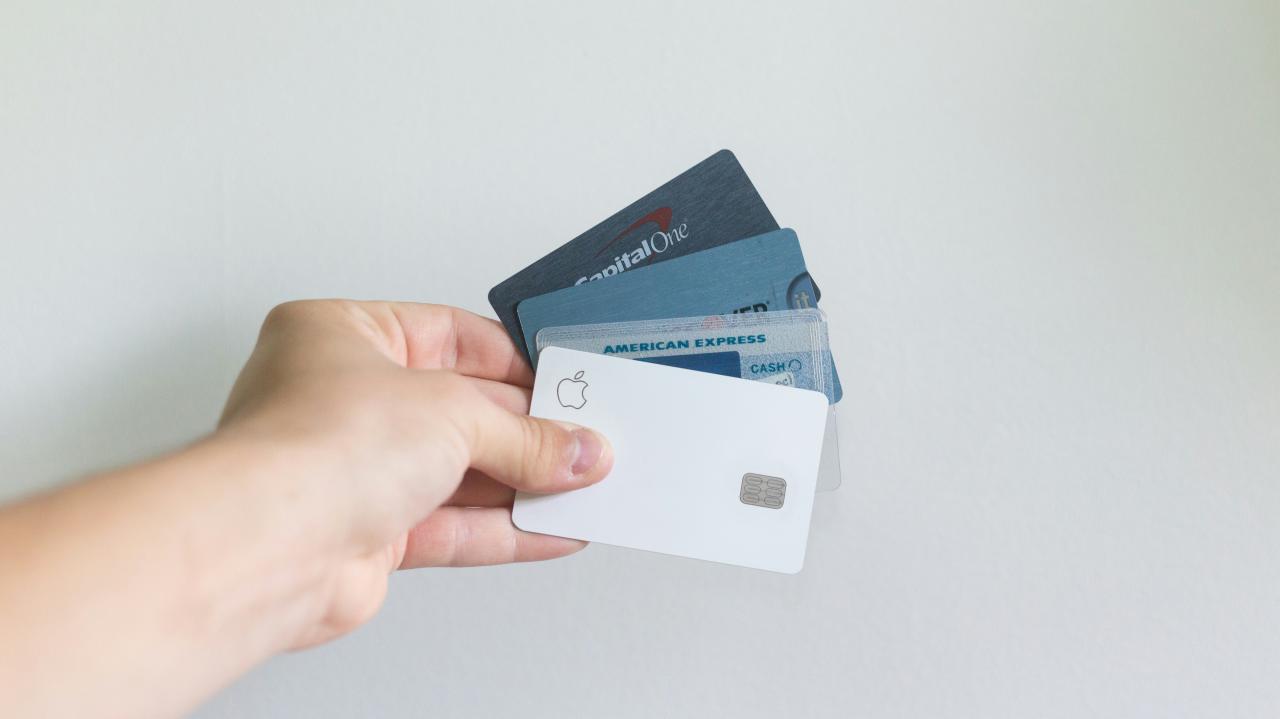
While you fix the past, you must also prove to the credit system that you are reliable in the present. If you cannot get a standard credit card, you can start with a “secured” card where you provide a small cash deposit. This deposit acts as your credit limit and reduces the risk for the bank while you show you can pay on time.
You can also use “credit builder” loans that hold your money in a savings account while you make monthly payments to yourself.
Every on-time payment you make is reported to the bureaus and helps drown out the old negative marks with new positive data. Consistency is the secret to building a score that stays high for the rest of your life.
A. Using a secured credit card for small monthly subscriptions like Netflix to ensure you always have an active history.
B. Asking a family member with great credit to add you as an “authorized user” on one of their oldest cards.
C. Reporting your monthly rent and utility payments through new digital services that count these bills toward your score.
D. Avoiding applying for too many new accounts at once to prevent multiple “hard inquiries” from lowering your points.
People often think they should avoid credit entirely after they get into trouble, but a “blank” report is almost as bad as a poor one. You solve this “avoidance trap” by using small, manageable amounts of credit to show you have learned from your past mistakes.
Think of your new credit cards as tools for building a bridge to your future home or a better car loan. When you use credit as a tool instead of a crutch, you become the master of your own financial destiny.
Conclusion

Credit repair represents a strategic breakthrough in financial sovereignty, replacing a low-ranking status with innovative reporting tools and disciplined debt management that ensure your economic engine wins today.
By integrating consistent payment habits and keeping credit utilization below 30%, you can effectively eliminate high-interest penalties and historical errors while benefiting from the rapid growth of a healthy score.
Taking immediate action to audit your reports and leverage alternative data like rent payments allows you to reclaim your borrowing power, grow your personal wealth, and secure a brighter future through professional negotiation with collectors.
The path to a successful and high-performance financial life is clear when you use credit optimization as your primary tool to fuel rapid progress and achieve ultimate freedom starting today.